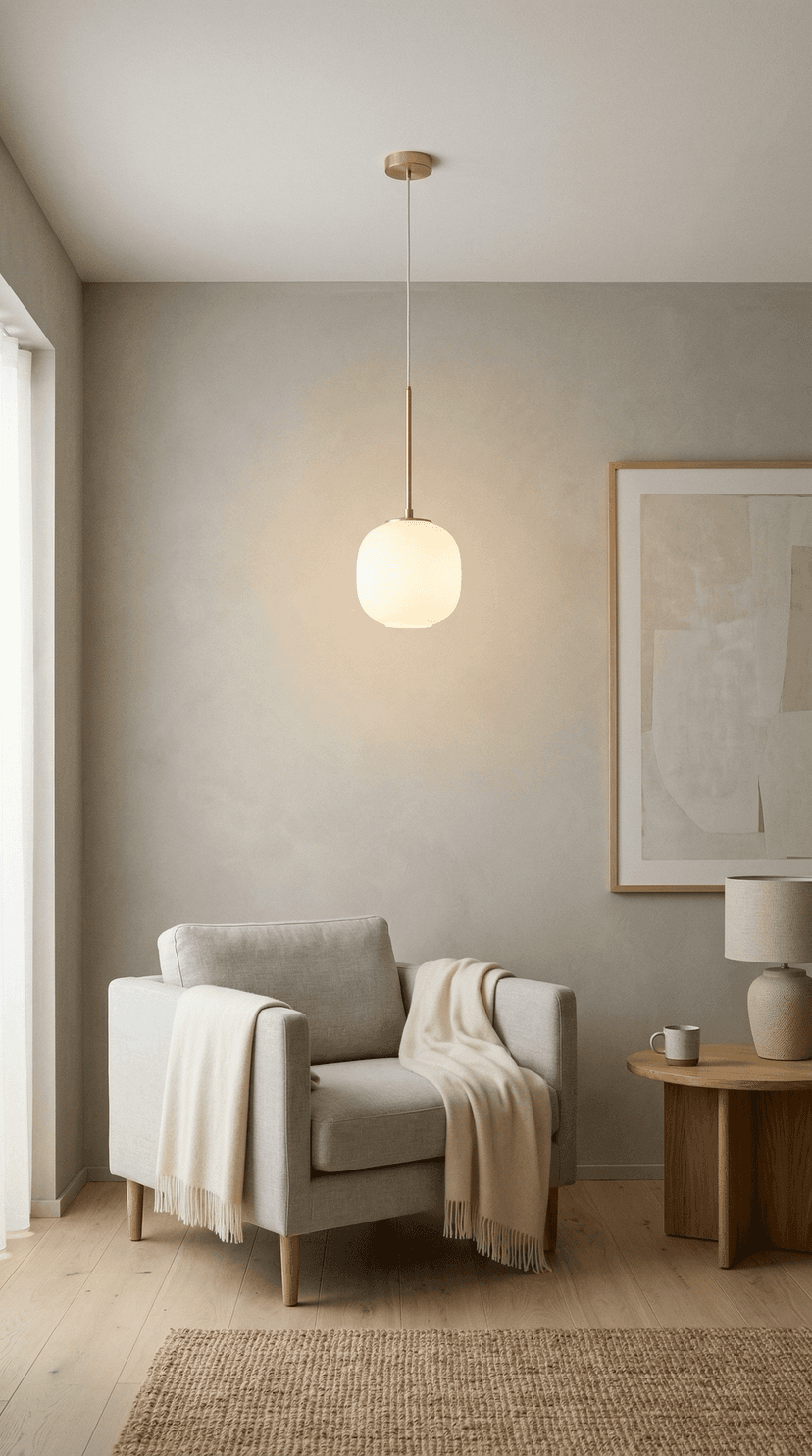
Ambient
General illumination that provides overall brightness to a space, commonly achieved through recessed lighting or indirect ceiling fixtures.
We Use Cookies
We use cookies and similar technologies to keep the platform secure, improve performance, and support optional attribution and marketing tools. Non-essential tools, including product analytics (PostHog), Impact.com measurement, and the support chat widget, load only after you allow it. Read our Cookie Policy.
Your preferences can be updated later from the cookie preferences page.
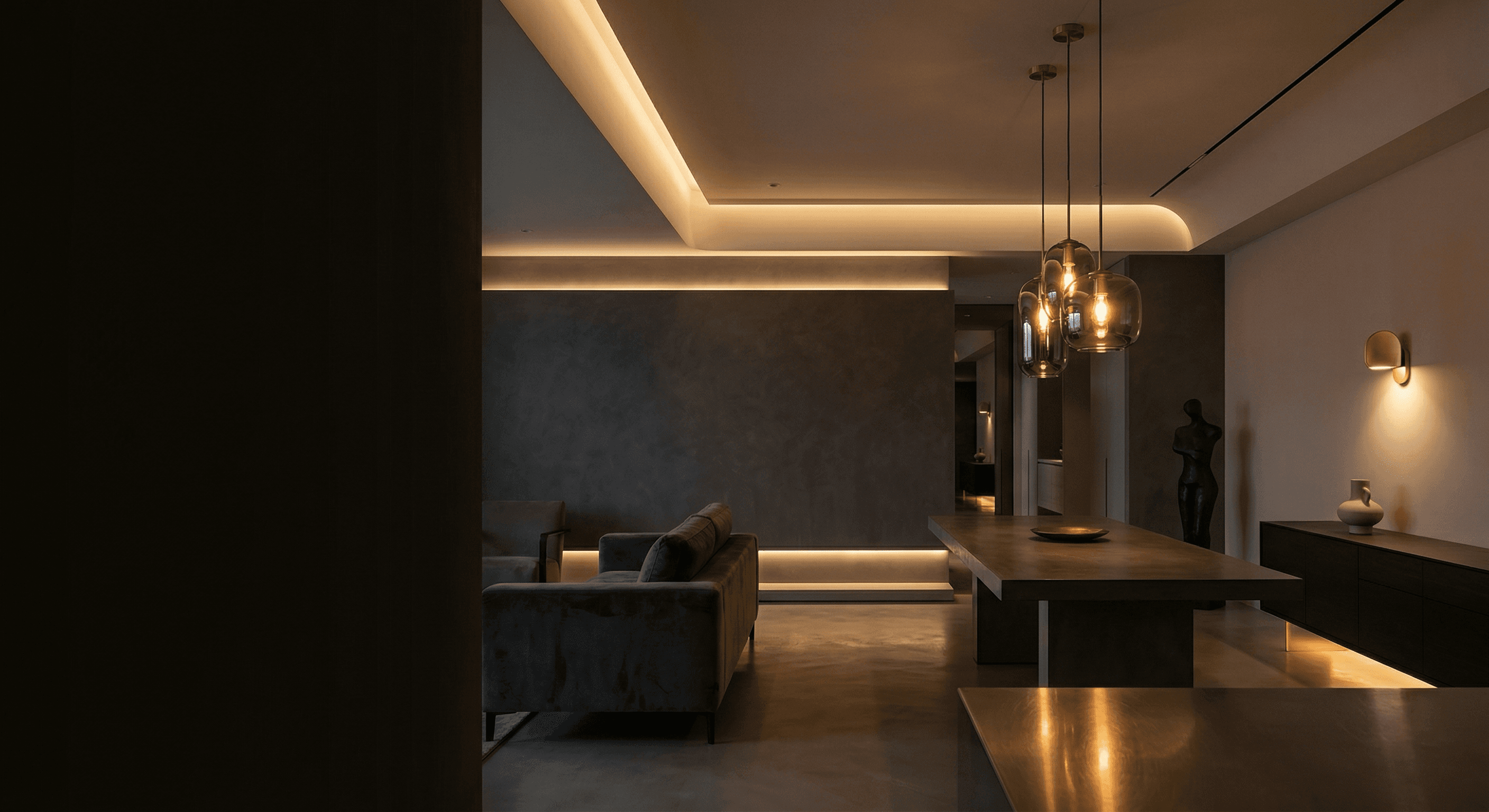
Vol. 12 • Lighting Principles
A practical ModulaTech guide to lighting layers, color temperature, and real-world application for residential spaces.
Lighting is one of the most critical and often overlooked elements in residential design. Proper lighting impacts functionality, mood, perception of space, and even circadian rhythm.
Modern lighting design is not just about brightness. It is about combining multiple layers of light, selecting the right color temperature, and placing fixtures strategically based on how the space is used.
Reading Time
12 Minutes
Keywords
Lighting Design, Lumens, Kelvin, Layered Lighting, and Residential Design.
Concept 01
A hierarchical approach to illumination ensures functionality without sacrificing the emotional quality of the environment.
General illumination that provides overall brightness to a space, commonly achieved through recessed lighting or indirect ceiling fixtures.
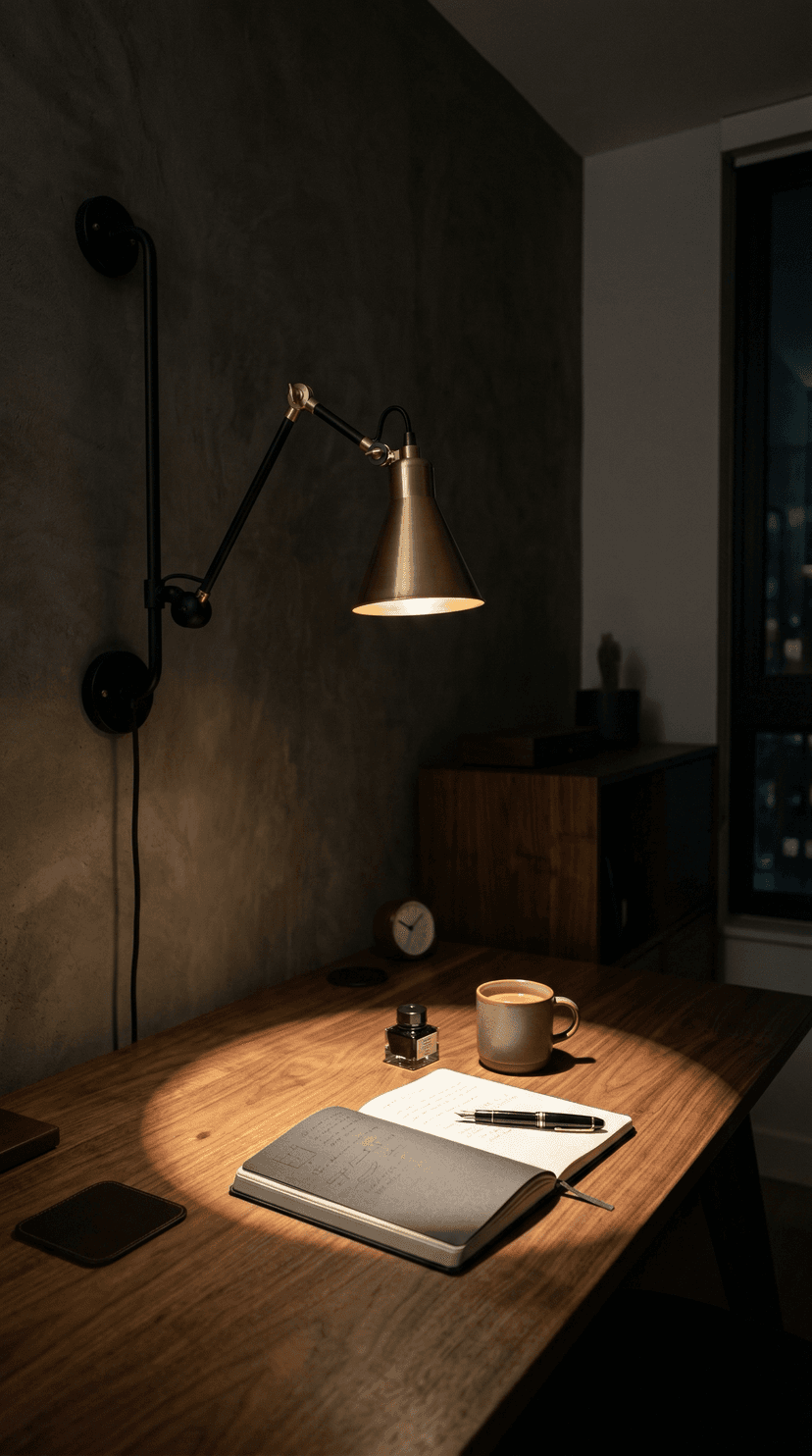
Focused lighting used for specific activities such as cooking, reading, or grooming, where visibility and precision matter most.
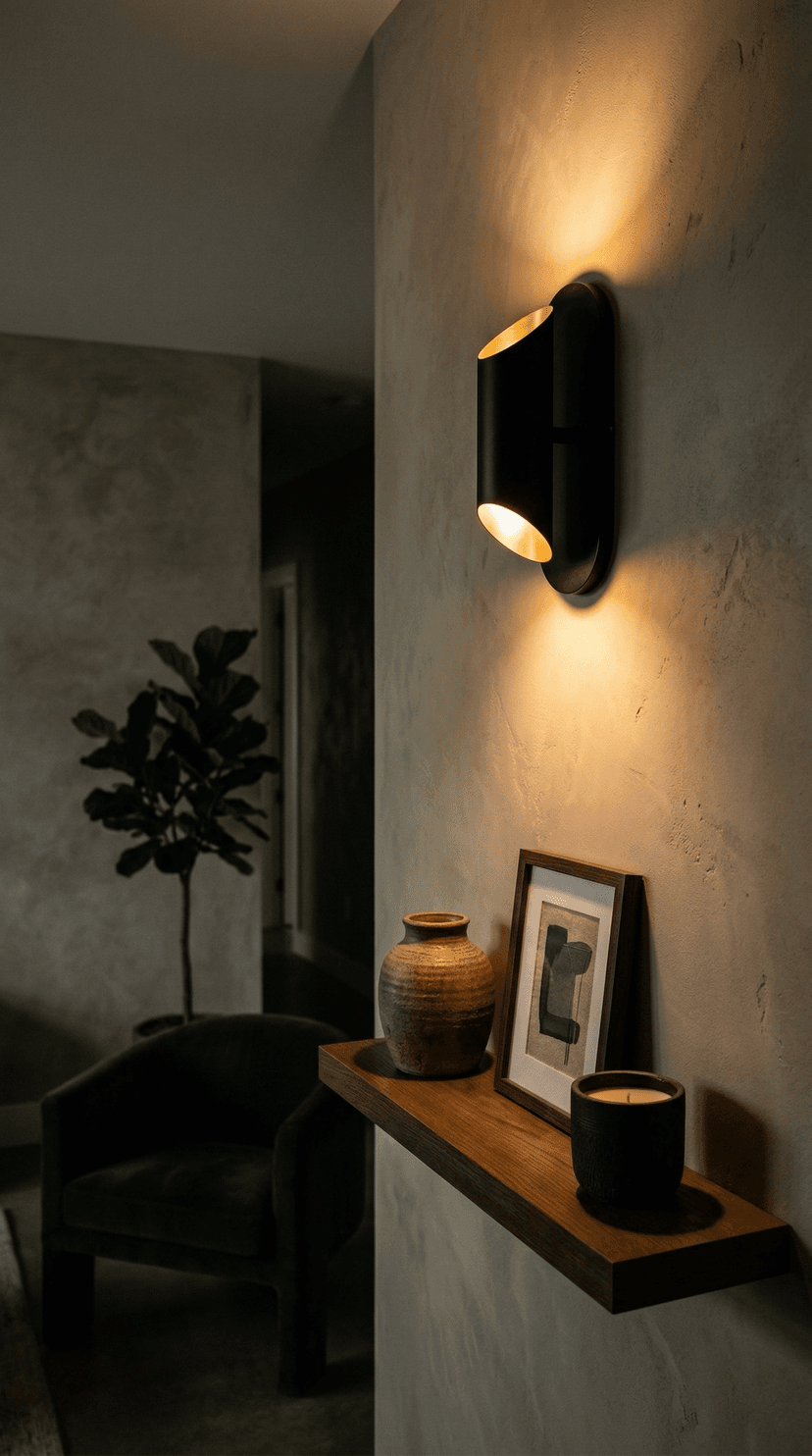
Decorative or directional lighting used to highlight architecture, materials, and objects, adding depth and visual interest.
Color Temperature & Circadian Sync
Lighting color is measured in Kelvin (K). Lower Kelvin values create warmer, softer light, while higher Kelvin values feel brighter and more neutral.
Warmer light in the evening supports relaxation, while cooler light during the day can support alertness. Tunable LED systems allow homeowners to align lighting with natural daylight cycles.
2200K-2700K
Warm (Bedroom / Living)
3000K-4000K
Neutral (Kitchen / Bath)
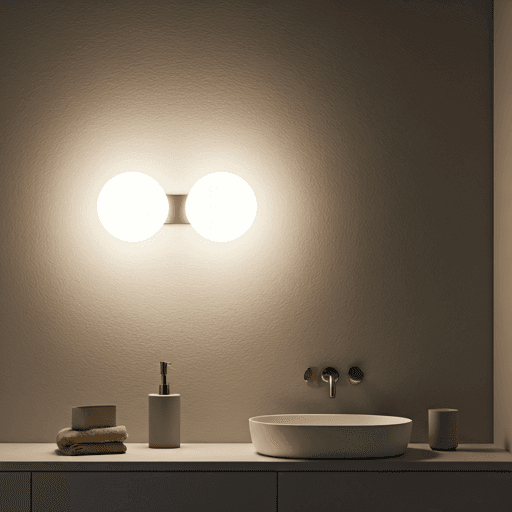
Key considerations include beam spread, lumens, dimming capability, and color rendering. A CRI of 90+ is recommended for residential spaces.
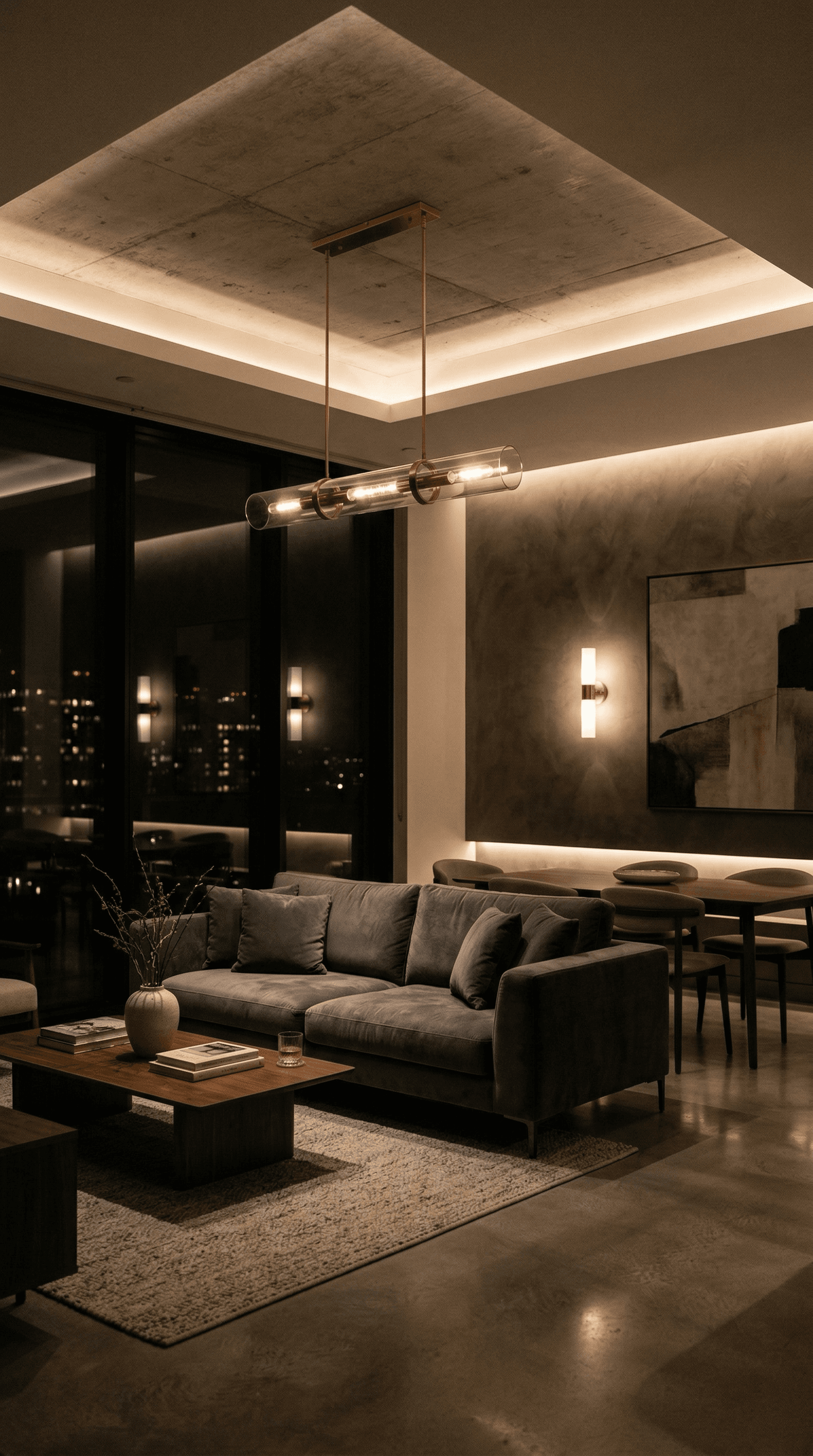
Smart controls and scene settings for every mood.
Motion sensors and smart scene settings allow for automated efficiency and personalized lighting profiles across the home.
Explore controls
Recommended Color Rendering Index
Scene Settings
General Reference
| Room Type | Lumen Range | Color Temp | Primary Focus |
|---|---|---|---|
| Kitchen | 5,000 - 10,000 | 3000K - 4000K | Task Performance |
| Living Room | 1,500 - 3,000 | 2400K - 3000K | Atmospheric Comfort |
| Bedroom | 1,000 - 2,000 | 2200K - 2700K | Restorative Calm |
| Bathroom | 4,000 - 8,000 | 3000K - 5000K | Vanity Detail & Clarity |
Note: These are general estimates based on typical U.S. residential practices.
Use ModulaTech to visualize lighting layouts, explore real fixtures, and plan your space with accurate design tools.